Collection · security · recovery · Tunisia

The end of a device.
The start of a material.

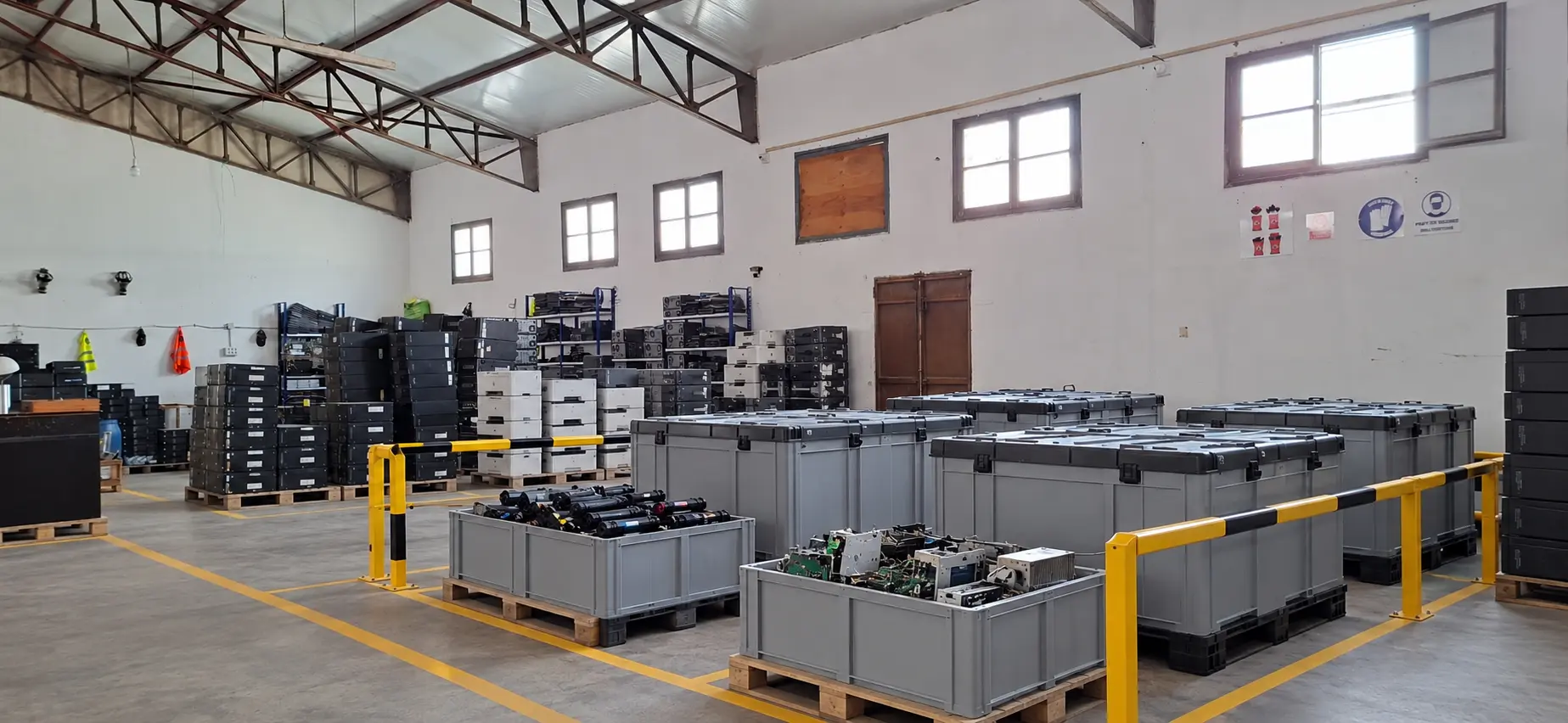
Julia Récupération organises the end of life of electrical, electronic and IT equipment through a clear chain: collection, data protection, dismantling, sorting and material routing.

Historical reference: Société Julia Récupération (SJR) is the new company name for the business previously known as Dallagi Récupération (SDR).

01Reuse where relevant
02Materials separated
03Risk fractions isolated
04ANGED authorisation No. 21-2025

Start with your situation

The right solution for your needs.

A 500-device IT fleet is not handled like a single household computer. Logistics, traceability and evidence are adapted to the real situation.

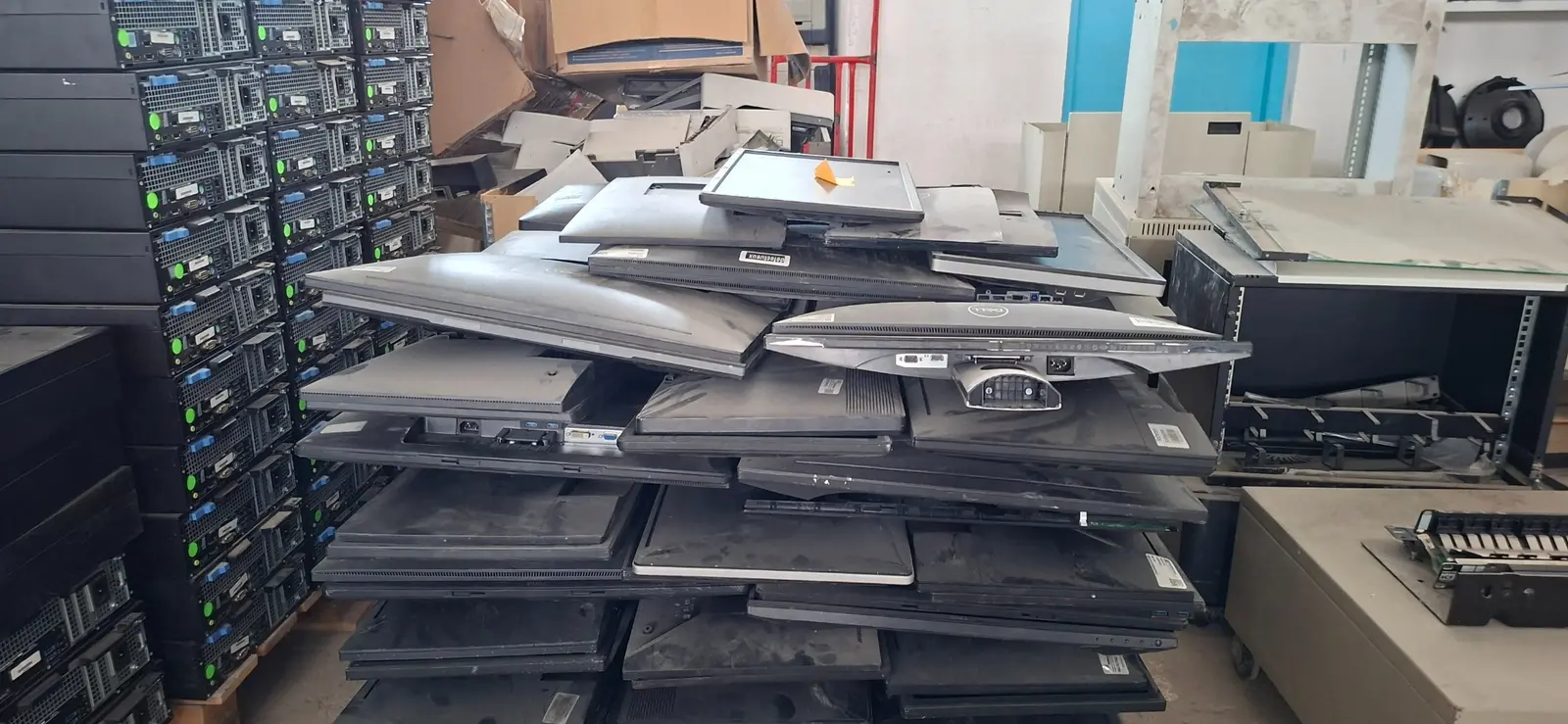
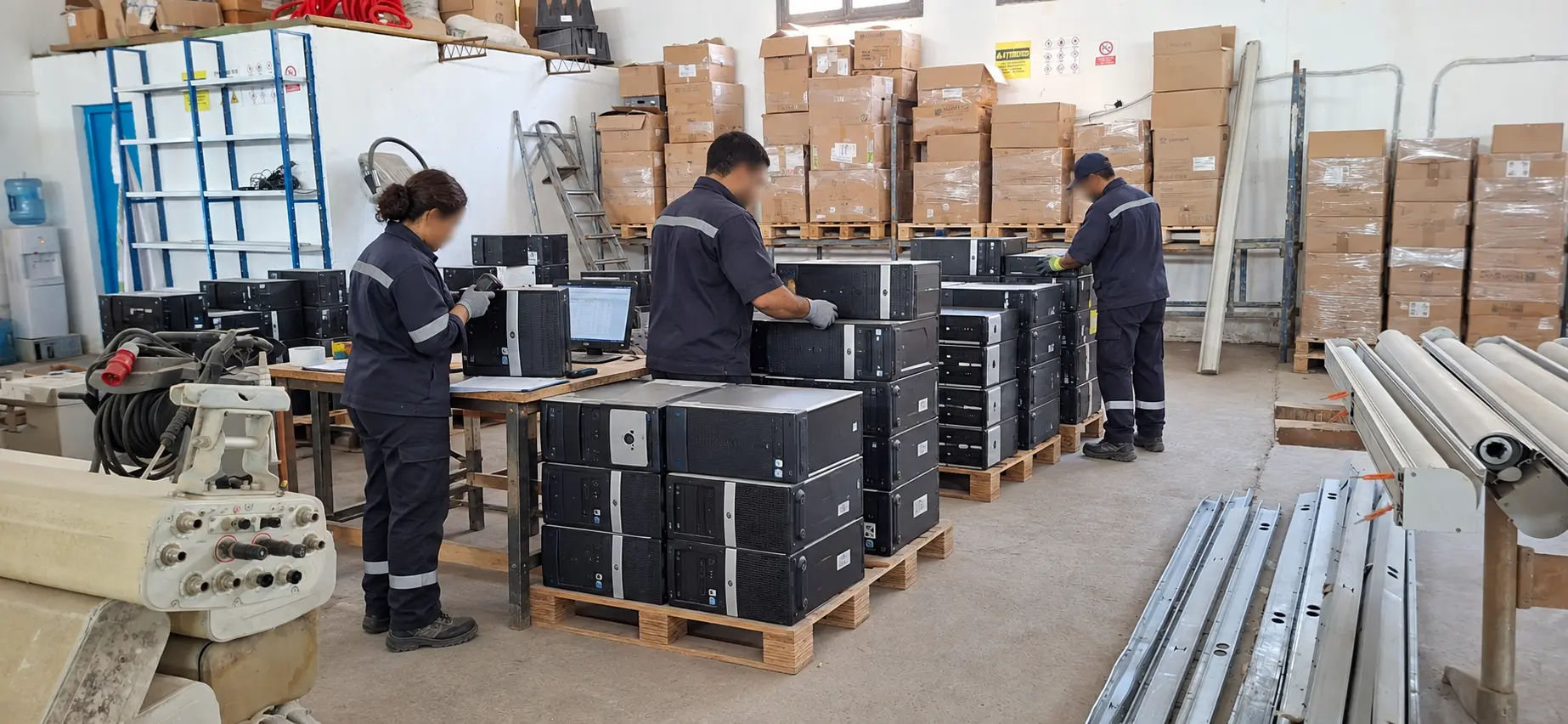
SJR team receiving a professional batch of electronic equipment

BUSINESS ROUTE

One batch, sensitive data, clear responsibility.

For IT, HSE, procurement and public-sector teams: planned collection, sensitive media, sorting, dismantling and agreed records.

  1. 01Qualify the batch
  2. 02Plan collection
  3. 03Secure & process
  4. 04Document the work
IT & CIOIndustryBanking & insurancePublic sectorTelecomRetail & hospitality

Integrated services

From collection to material recovery.

Each project is scoped around equipment type, quantity, location, data-bearing devices and the evidence your organisation requires.

01Upstream

Collection & dedicated logistics

Batch qualification, collection preparation, loading and transport to the receiving area within the agreed service scope.

Site reviewPackingCollection
02Security

IT retirement & data media

Isolation of data-bearing equipment and routing to sanitisation or physical destruction according to sensitivity and owner instructions.

HDD / SSDServersTraceability
03Workshop

Dismantling & separation

Targeted manual disassembly, component removal and preparation of homogeneous fractions: boards, metals, cables, plastics and assemblies.

DepollutionDisassemblySorting
04Downstream

Recovery & residue routing

Preparation of recoverable materials and routing of non-recoverable or higher-risk fractions to channels suited to their nature.

FerrousCopperCircuit boards

Circular economy, in practice

Keeping resources in use.

Equipment is not handled as one undifferentiated mass. Its condition, components, data and risks determine its route. When reuse is no longer relevant, dismantling enables component recovery and material separation.

SJR principleThe best available route, based on condition, composition and risk.
  1. 01AssessCondition · composition · data
  2. 02ExtendReuse where relevant
  3. 03RecoverUseful parts · components
  4. 04ValoriseMetals · cables · plastics
  5. 05ControlResidual or risk-bearing fractions

Evidence before claims

No decorative environmental figure: weights, batches, operations and destinations provide the basis for verifiable information.

Operating chain

A clear process, from start to finish.

The process is more than disposing of equipment. We identify the stream, secure what is sensitive, remove risk-bearing components and direct each fraction to the right outcome.

01

Scope the need

Equipment, volumes, location, timing and confidentiality constraints.

02

Collect the batch

Logistics and controlled grouping of the relevant assets.

03

Receive & weigh

Inbound checks, weighing and treatment-batch creation.

04

Sort & secure

Category separation and isolation of sensitive media.

05

Neutralise data

Sanitisation or destruction based on media and requirement.

06

Route materials

Dismantling, recoverable fractions and adapted downstream channels.

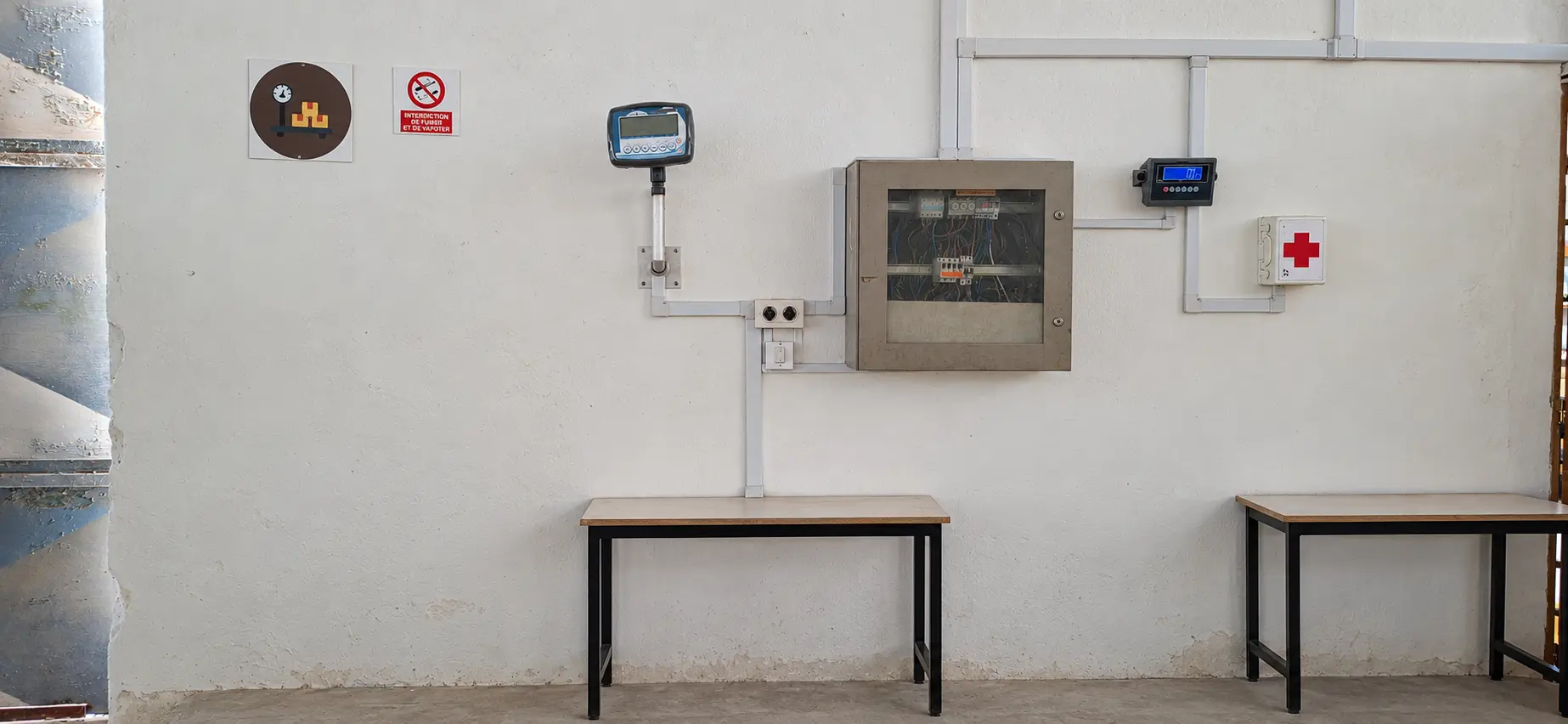
SJR receiving and weighing station with wiring secured in surface conduit
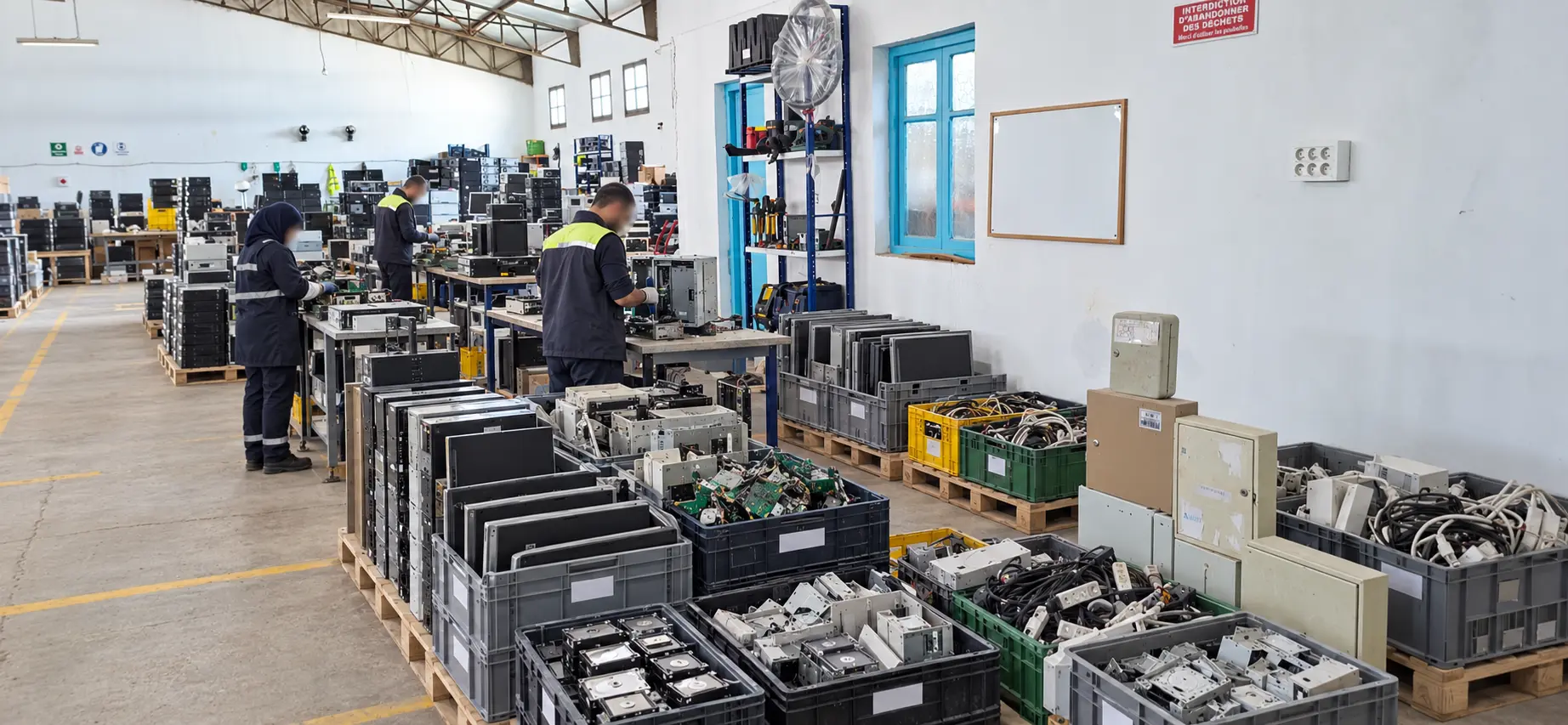
SJR team dismantling and separating electronic equipment
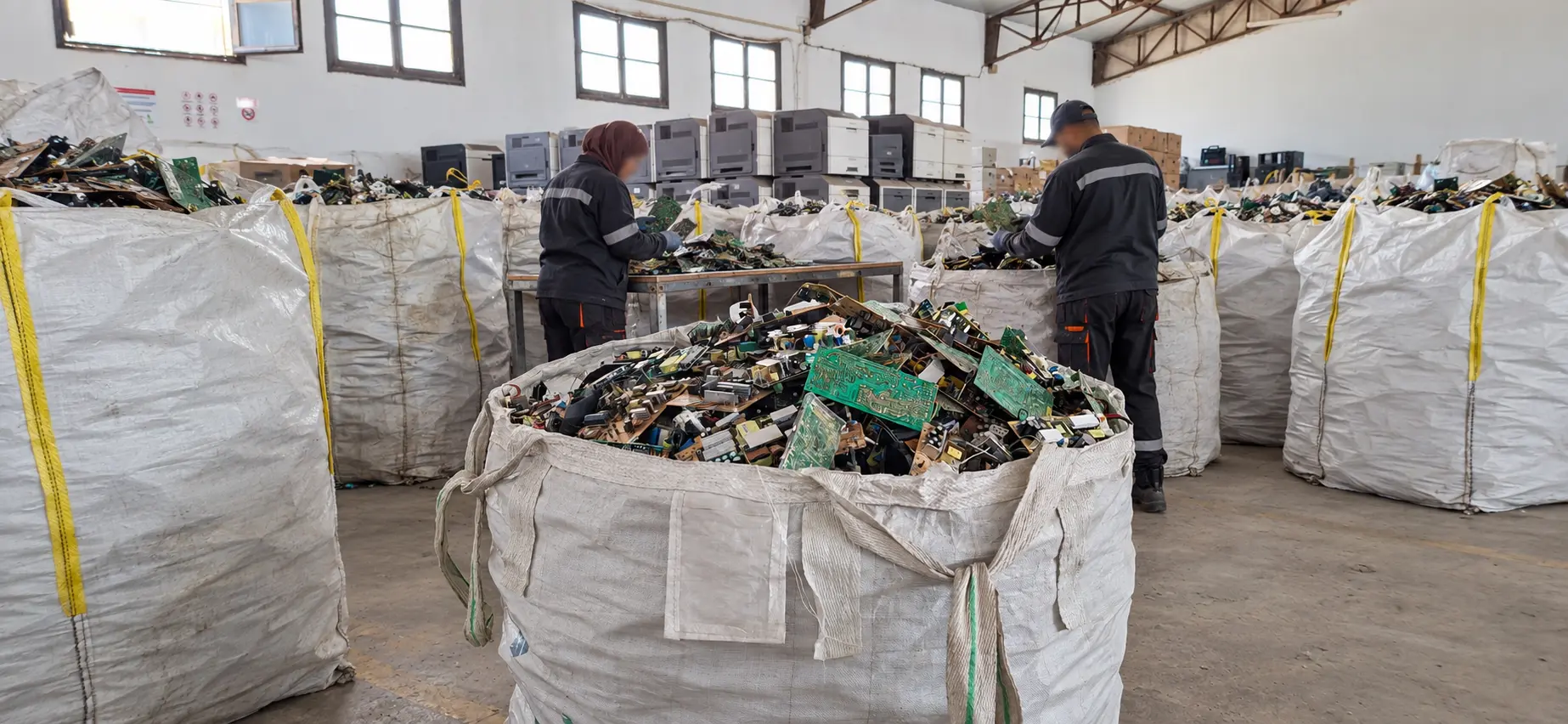
Circuit boards being sorted by fraction at the SJR facility
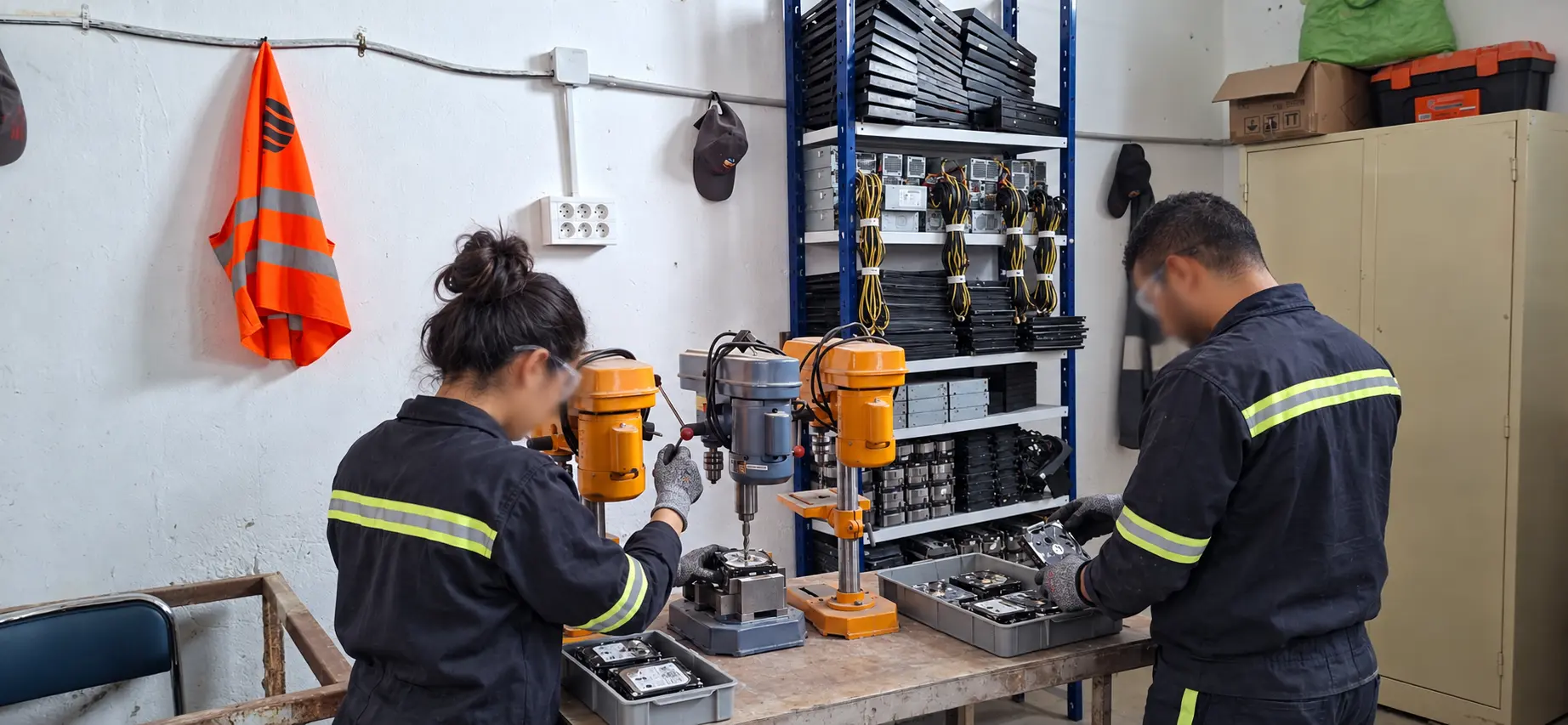
SJR technicians carrying out controlled physical destruction of hard drives
Sensitive media · isolated from the material stream

Confidentiality

Your data remains sensitive.

A hard drive removed from a computer can remain readable until the information is neutralised using an appropriate method.
01
Isolation

Storage media is separated from other components during sorting.

02
Defined method

Controlled sanitisation for eligible reuse, physical destruction when required.

03
Evidence

The service defines the required report or certificate detail in advance.

Processed streams

From equipment to materials.

Final routing depends on condition, composition and risk. Priority is given to preparation for reuse where relevant, then component recovery and material recycling.

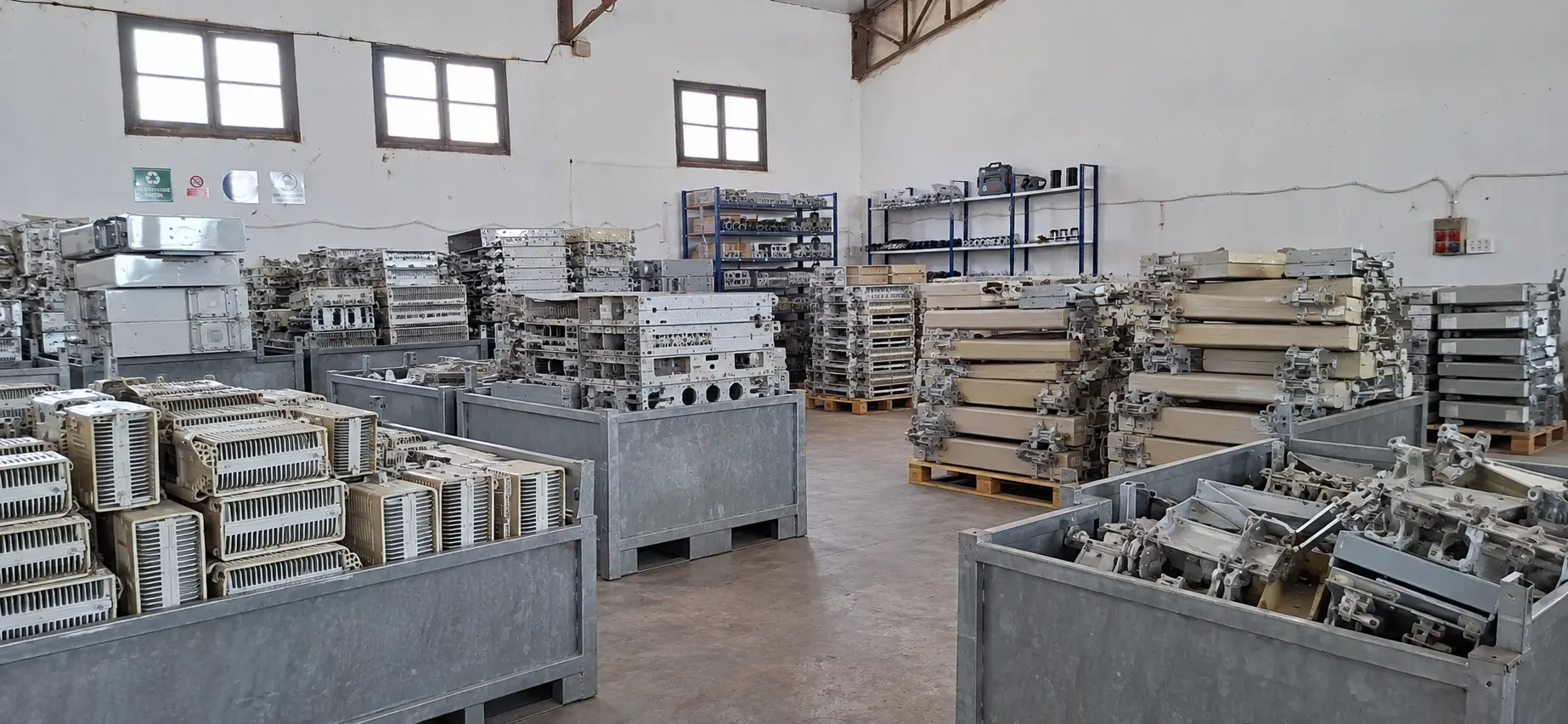
Sorted metal fractions in containers and on pallets at the SJR facility
MAT-01

Iron & steel

Sorted frames, structures and ferrous parts.

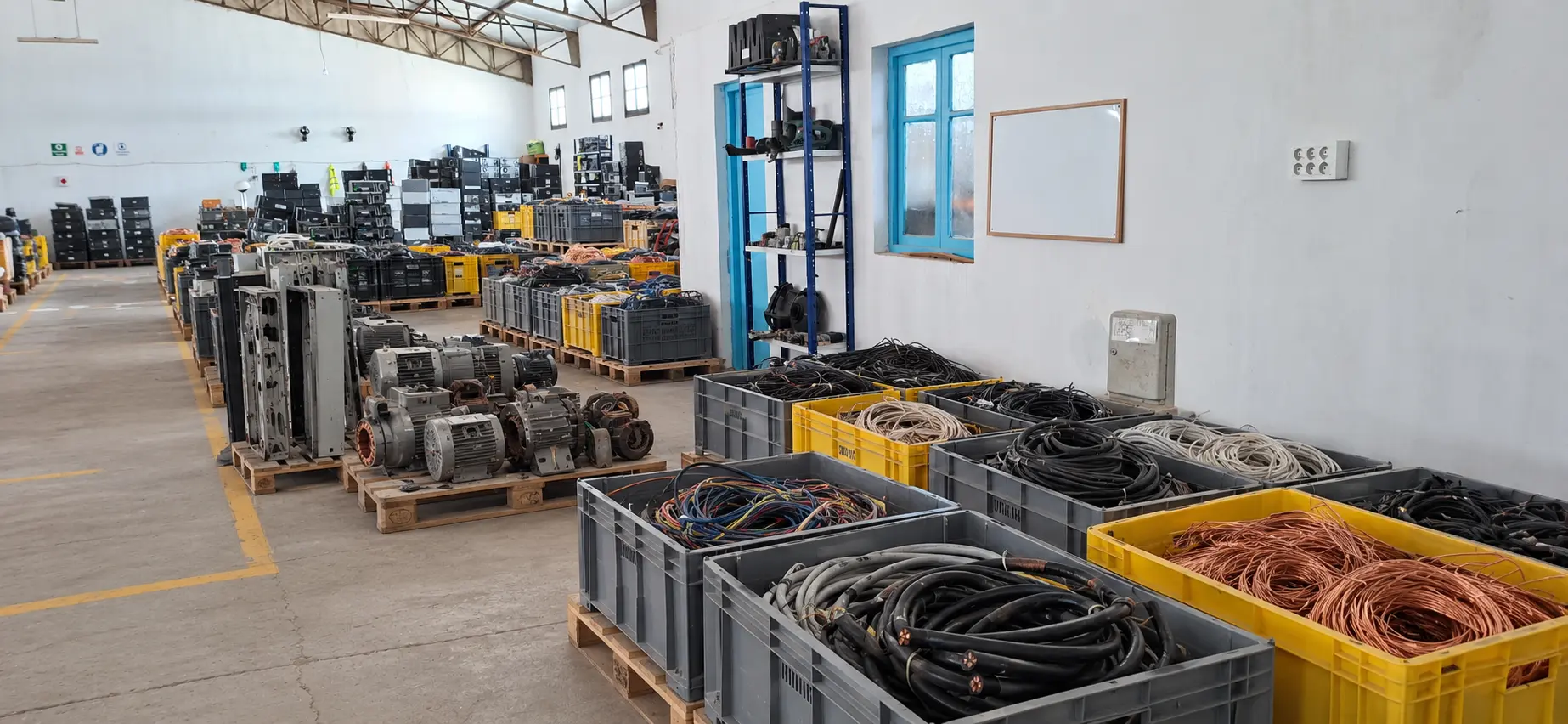
Electrical cables and copper separated by category at the SJR facility
MAT-02

Copper & cables

Conductors, harnesses and non-ferrous-rich components.

Professional sorting of circuit boards by fraction
MAT-03

Circuit boards

Separated fractions for specialist processing and material recovery.

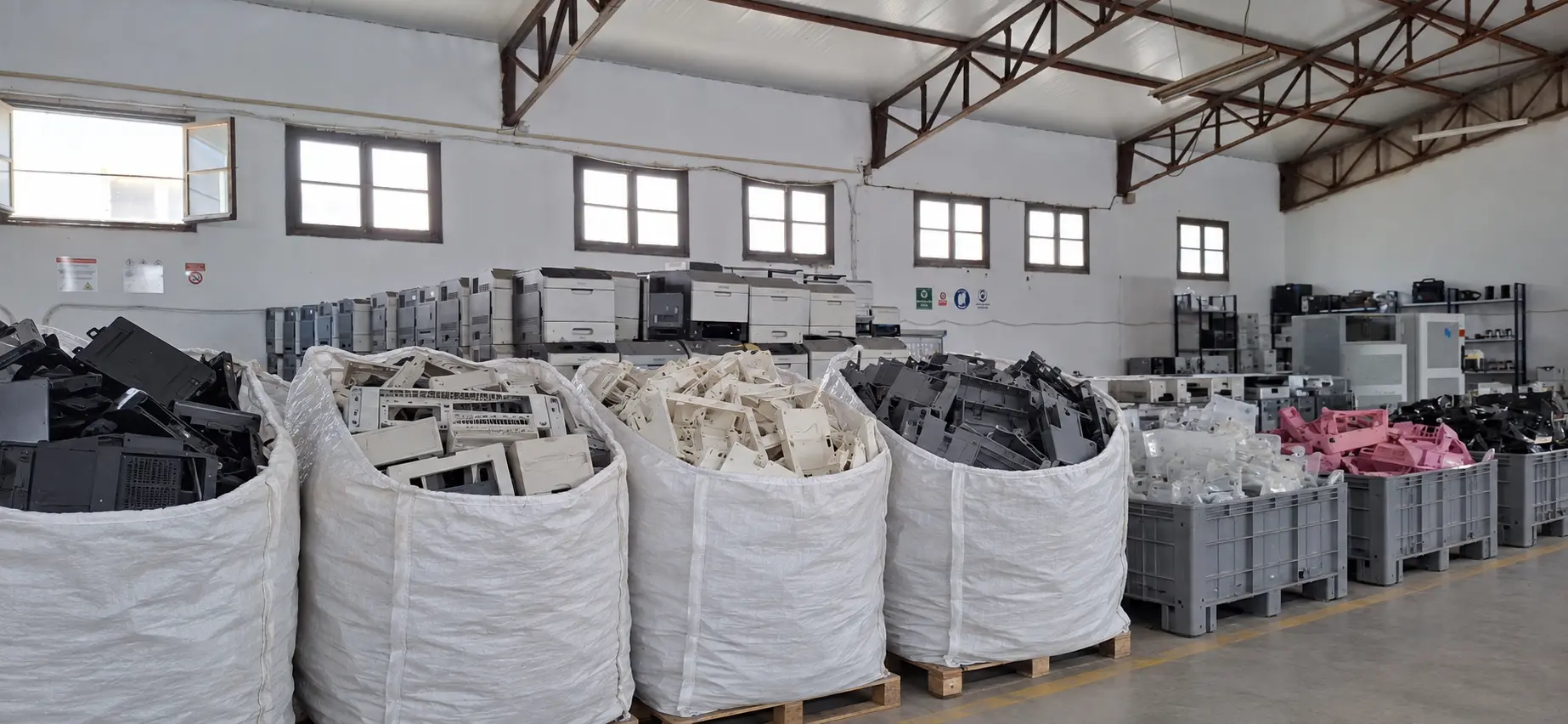
Plastic casings from electrical equipment sorted by category
MAT-04

Plastics

Cases, bezels and polymer elements separated where possible.

IT equipment and subassemblies being sorted by the SJR team
MAT-05

IT components

Power supplies, memory, drives, fans and subassemblies.

Electronic fractions isolated in a controlled storage area
MAT-06

Risk fractions

Components isolated and routed according to their nature.

Data media handled through a separate treatment chain
MAT-07

Data media

Hard drives, SSDs and other media handled in a separate chain.

Documented compliance

Trust, backed by evidence.

ANGED’s public register lists Société Dallagi de Récupération (SDR), SJR’s former name, under authorisation No. 21-2025. The scope, dates and capacities below reproduce the published entry.

01

Authorisation No. 21-2025

Issued on 19 August 2025 and valid through 18 August 2027 according to the public register.

02

Covered operations

Collection, transport and recycling, within the limits of the published authorisation.

03

Authorised streams

Used vehicle catalysts and waste electrical and electronic equipment (WEEE / D3E).

04

Published annual capacities

Vehicle catalysts: 32 t/year · WEEE: 120 t/year.

Frequently asked questions

Before collection.

A few answers to help prepare a clear request and accelerate the assessment.

Which equipment can you handle?

Computers, servers, monitors, printers, peripherals, network and telecom hardware, cables, boards and electrical or electronic devices, subject to assessment and the applicable regulatory scope.

Can you collect directly from a business site?

On-site collection can be organised after batch qualification, volume estimate, access review and loading-condition confirmation.

What happens to collected equipment?

It is sorted and routed to reuse, component recovery, material recycling or an adapted channel for non-recoverable or risk-bearing fractions.

How are hard-drive data protected?

Media is isolated. The method—sanitisation, physical destruction or a suitable combination—is agreed according to sensitivity, media type and evidence requirements.

Which records can be provided?

Depending on scope: collection record, weight record, batch inventory, operation attestation, media-destruction certificate or recovery summary. Exact content is agreed before service.

Prepare your request

Let’s talk about your equipment.

First tell us whether you act for an organisation or as an individual. The form then adapts the information it asks for.